

KEY TAKEAWAYS
- Karibu Connect is bridging the digital divide, enabling students to access critical online learning resources.
- The introduction of Starlink broadband in rural TVET institutions has led to a surge in enrollment rates.
- Karibu Connect invites partners to join in its mission to connect rural schools with Starlink, empowering students with the digital tools and opportunities they need to thrive.
According to findings from DataReportal, a global platform that tracks digital trends, 22.71 million people in Kenya were online at the start of 2024—just 40.8% of the population.
This means nearly 60% of the population remains offline, especially in rural areas where reliable internet infrastructure is either scarce or nonexistent.
This digital divide presents a significant challenge for students in these areas, restricting their ability to develop digital skills that are crucial for success in today’s tech-driven world.
Without reliable internet, students struggle to engage with modern, tech-based learning, hindering their educational progress.
In rural communities, traditional fiber optic internet is rarely extended to remote areas. These regions are often scattered and have challenging terrain, making infrastructure development difficult.
Even when telecom companies offer Wi-Fi hotspots, coverage remains unreliable in areas far from cellphone towers.
These selective infrastructure investments, though financially understandable, disproportionately affect rural students, where geographic barriers and limited resources already hampers access to quality education.
As a result, their ability to develop digital literacy skills—vital for navigating the digital landscape—is significantly limited.
For students, connectivity is more than just about finishing assignments—it’s a gateway to long-term opportunities and upward mobility.
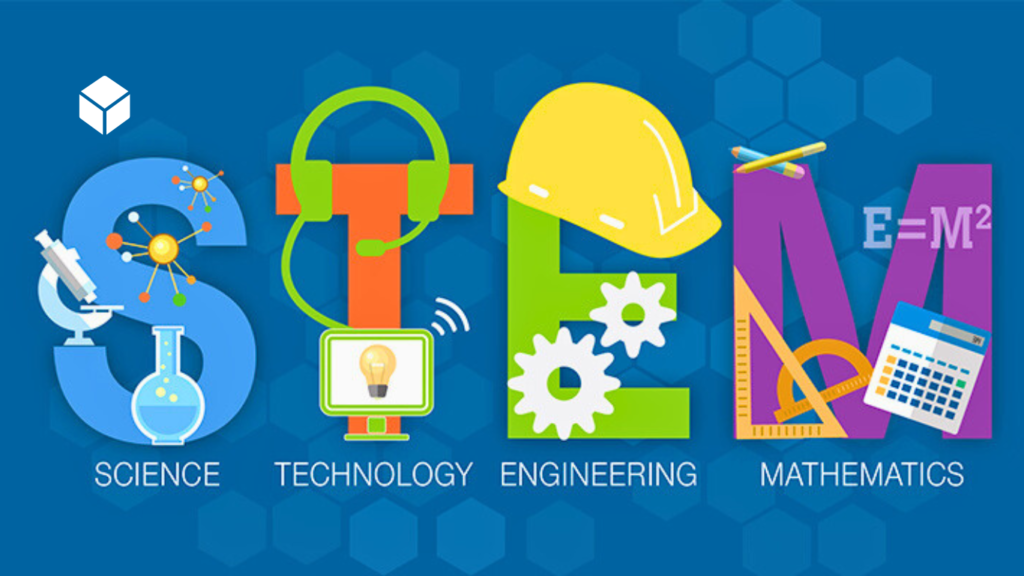
With reliable internet, schools—regardless of location—can introduce tools like smart classrooms, science labs, and digital platforms that help students develop critical skills for careers in STEM (Science, Technology, Engineering, and Mathematics).
According to the World Bank, countries with strong STEM talent excel economically because their workforce drives innovation, productivity, and competitiveness.
Beyond STEM careers, reliable connectivity opens doors for digital entrepreneurship.
With access to reliable broadband, students in higher education can build businesses and learn technical skills. They can tap into the global economy—no matter where they are.
For example, they can learn coding, content creation, develop mobile apps, or sell handmade crafts online. These activities help develop essential skills like problem-solving, information literacy, and creative expression.
Providing tools that cultivate transferable skills helps students collaborate, share ideas, and create solutions and jobs for themselves and others.
Despite the significant challenges in providing internet to rural schools, innovative solutions are already making a tangible difference.
Karibu Connect, a leader in providing satellite internet solutions, is at the forefront of this change.
Since its inception, Karibu Connect has focused on bringing Starlink to schools—ranging from early education to higher learning—especially in marginalized areas where connectivity has long been a challenge.
In mid-2023, Karibu Connect made a significant impact by becoming the first authorized partner to bring Starlink to Kenya.
As a new player in Kenya’s market, Karibu Connect focused on demonstrating how Starlink could help build a robust national internet infrastructure.
To advance this goal, Karibu Connect engaged with the State Department for ICT and Digital Economy, proposing Starlink as the solution for high-speed internet in remote schools where traditional infrastructure had failed.
The objective was clear: to prove that reliable connectivity solutions for remote areas, especially rural schools, already exist—and that Starlink is setting the standard.
In summary, the proposal was approved, leading to several TVET institutions in rural Kenya—such as Nachu Technical and Vocational College in Kiambu County, Tigania East Technical and Vocational College in Meru County, and Belgut TTI in Kericho County—being connected to Starlink.
The impact of connectivity has been transformative in these rural institutions.
Findings from these institutions show a remarkable shift in the daily experiences of students and staff.
Enrollment rates have surged by over 70% at some institutions, demonstrating how access to technology has sparked renewed interest in education.
For example, Nachu TVC launched the Jitume Program, a youth-focused initiative offering access to digital services, skills, and job creation opportunities through technology.
Students have even reported earning income through online platforms as part of the program, stimulating local economic growth and creating sustainable livelihoods through digital entrepreneurship.
“Having internet in school has completely changed how I study. Instead of reading at home, I now come to school to access online resources and think of ways to earn income online,” said Esther Wanja, a beneficiary of the Jitume program.
This shift in learning habits showcases the transformative power of connectivity.
Notably, nearly all of the connected TVETs have reported significant improvements in education delivery.
Students and staff now enjoy uninterrupted access to educational resources, online courses, and research materials, promoting interactive learning.
The connectivity in these rural institutions not only transforms the learning environment but also enables schools to generate income, ensuring the long-term sustainability of their internet access.
Karibu Connect’s proof of concept (POC) in TVETs demonstrates that reliable, scalable internet access can revolutionize education in rural Kenya.
“This initiative is about more than just providing connectivity,” said Victor Bargorett, Operations Manager at Karibu Connect. “It’s about ensuring that every student, regardless of geography, economic background, or gender, can access the opportunities technology offers.”
Bargorett added that Karibu Connect’s commitment is to make education in Kenya inclusive, accessible, and future-ready.
As Karibu Connect scales up, the focus is shifting from isolated projects to a cohesive, national strategy.
Crucially, the success of Karibu Connect’s education connectivity solution relies on the support of dedicated partners—nonprofits, government agencies, and philanthropists—who share the vision of a resilient, scalable model for providing internet access to schools.
To achieve this, Karibu Connect is actively seeking strategic partnerships with stakeholders who can help expand this innovative initiative and reach more students in marginalized areas.
Our efforts have already uplifted students and schools in unserved and underserved areas, creating pathways to innovation, entrepreneurship, and career growth.
The potential to reach and uplift many more students in marginalized communities is immense, and with the right partnerships, we can accelerate this transformation.
We invite funders and partners who are passionate about shaping children’s futures to join us in building a world where every student, regardless of location, has the tools they need to thrive in a digital age.

If you’re a nonprofit, government organization, or philanthropist eager to create lasting change in students’ lives, partner with us today. Reach out to Karibu Connect at sales@karibuconnect.com or call +254 20 500 3100 to find out more on how you can contribute to this vital mission.