

KEY TAKEAWAYS
- Elon Musk’s Starlink Direct-To-Cell (DTC) service is set to redefine mobile internet access by connecting smartphones directly to satellites, bypassing traditional cellular towers.
- DTC has already launched in six countries, such as the United States and Switzerland, with plans to roll out in Starlink-supported regions, including Kenya.
- This technology offers a game-changing solution to connectivity challenges in remote and underserved areas, ensuring reliable internet access for all.
Mobile internet connectivity, which enables individuals to work, communicate, and stay informed, has become a necessity, especially for those living in Kenya’s bustling city centers. However, the challenge of accessibility becomes glaringly evident when venturing outside urban areas for work or leisure, turning connectivity into a frustrating and often unreliable experience.
While gadgets like mobile modems, hotspots, and tethering have attempted to address the issue of mobile internet connectivity, challenges such as power fluctuations and depleting data continue to persist.
The complete lack of access beyond cellular networks remains a common frustration.
For those living in remote or underserved areas, the absence of reliable mobile internet is a pressing concern. It severely limits their opportunities and makes it difficult to compete with individuals in more connected regions. This, in turn, stifles socio-economic development by restricting access to vital information, education, and business opportunities.
The reality in Kenya is that, even when internet connectivity is available, issues like inconsistent coverage, slow speeds, and dead zones persist, affecting users across various regions.
These challenges have long been a frustrating reality for many.
However, this may soon change with the global launch of Direct-to-Cell (DTC) by Starlink, the satellite arm of SpaceX, which promises to revolutionize connectivity.
What is DTC and Why Should You Care?
DTC, short for Direct-To-Cell, is a groundbreaking use of satellite technology that enables mobile connectivity directly to your phone, bypassing traditional cellular towers.
This means that anyone with a 4G-enabled mobile device can access the internet without needing a physical SIM card. It is an innovation that is rapidly expanding and set to revolutionize mobile communication, particularly in regions where connectivity has traditionally been slow, unreliable, or even non-existent.
Elon Musk, the owner of Starlink, recently announced via his X account that Starlink’s Direct-to-Cell service is now a reality.
Users in countries like the United States, Canada, New Zealand, Japan, Australia, and Switzerland can now stay connected directly via satellite, without requiring any additional hardware or applications.
“The service is designed to work seamlessly with the phone already in your pocket,” Musk stated.
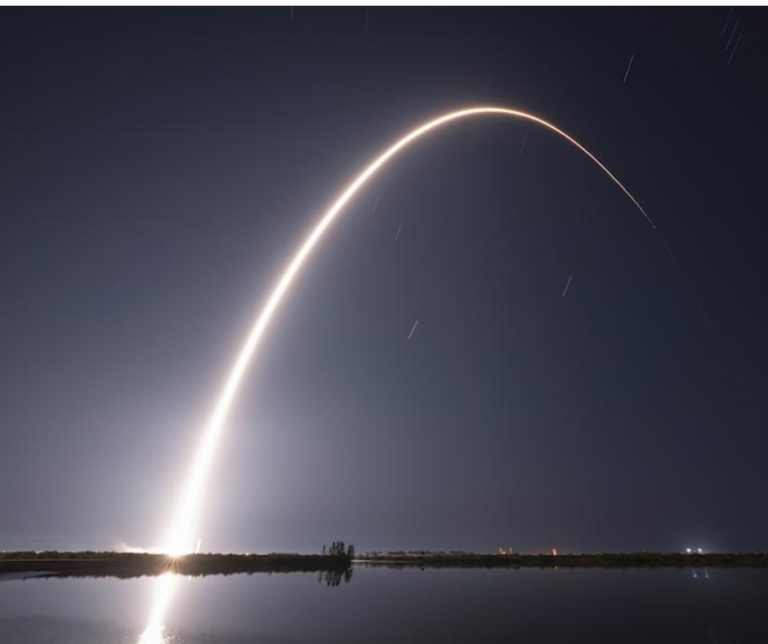
An image of SpaceX’s Falcon 9 rocket as it traverses the night sky during the Starlink 6-76 mission on November 26, 2024. Image: SpaceX.
Starlink’s Direct-to-Cell (DTC) service demonstrated its potential during the recent hurricanes, Helene and Milton, in the United States. The U.S. Federal Communications Commission (FCC) granted special temporary permits to Starlink and its partner T-Mobile, allowing them to deploy the DTC service to affected communities.
The response was overwhelming—tech outlets reported that 270,000 mobile phones connected to Starlink DTC on the first day, highlighting the high demand for this service, especially in areas where traditional connectivity is often unreliable.
Starlink’s ability to provide such reliable service during a crisis was made possible by overcoming significant technical challenges, such as maintaining strong radio signals between mobile phones and satellites moving at high speeds.
Looking ahead, this innovation positions Starlink to offer not only text services in 2024 but also voice, data, and IoT services by 2025 (Starlink, 2024).
DTC Service Goes Global
Following its success, Starlink secured a commercial license for Direct-to-Cell operations in the U.S. and expanded partnerships with major telecom operators in five other countries, marking the global rollout of DTC.Elon Musk shared that countries where Starlink is already operational will soon be eligible for DTC service.
To ensure smooth deployment, Starlink plans to collaborate closely with telecom carriers in each region.
In November 2024, SpaceX launched 20 new Starlink satellites, 13 of which are equipped with Direct-to-Cell capabilities, as detailed on the SpaceX page.
What’s Next
The future is here.
This revolutionary technology could soon redefine how we stay connected, offering seamless communication even in the most remote areas.
In Kenya, where access to fast and consistent mobile internet has often been a challenge, direct satellite-to-smartphone connectivity could be the solution.
As the authorized reseller of Starlink in Kenya, Karibu Connect continues to lead the way in connecting businesses and communities to cutting-edge internet solutions—no matter where they are.
As DTC rolls out globally, we’ll keep you updated on how these advancements are reshaping mobile communication and connectivity—ensuring you stay ahead with the best-in-class internet solutions.
Do you have questions about how Starlink can improve your Business connectivity? Please email us at info@karibuconnect.com to learn more about our tailored Starlink solutions.